South East Coast Ambulance Service (SECAmb) is highlighting the importance of improving outcomes for women and new-borns particularly in emergency, pre-hospital settings this International Day of the Midwife.
Marked annually on 5 May, the International Day of the Midwife celebrates and recognises the critical work midwives deliver in maternal and newborn health and SECAmb is highlighting its critical role in out-of-hospital maternity care.
Maternity incidents in pre-hospital settings are often time critical, with outcomes closely linked to how quickly and effectively care is delivered. For women and babies who experience unplanned births out-of-hospital, the risks can be greater, particularly for those already affected by health inequalities.
To address this, SECAmb clinicians and midwives across the South East are working together to reduce risks through shared learning, improved communication and stronger joint responses to maternity emergencies.
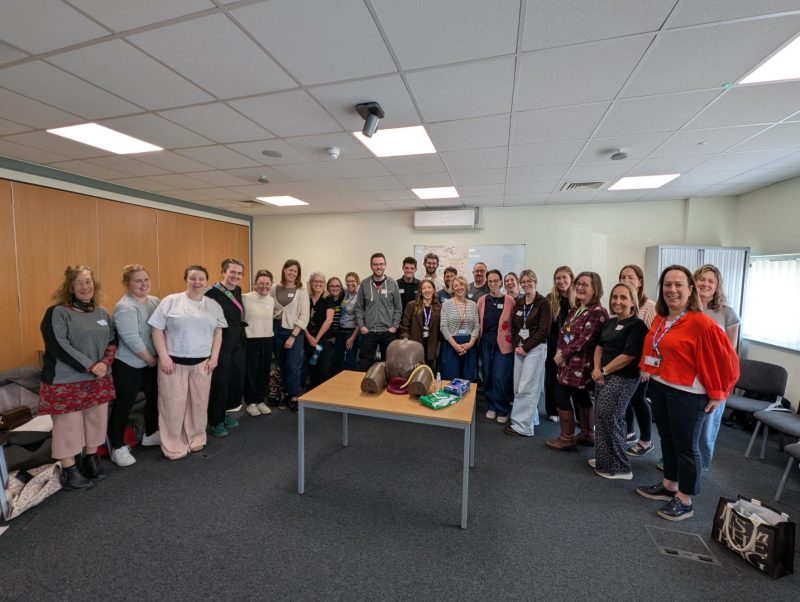 For several years, SECAmb has partnered with regional midwives to deliver joint training sessions. The most recent event, held at SECAmb’s Polegate Make Ready Centre, brought together nearly 30 colleagues. It provided an opportunity to strengthen working relationships, share expertise and take part in practical workshops focused on improving care for women and newborns in pre-hospital environments.
A key area of focus was how to better support babies born outside of hospital, where maintaining body temperature can be a challenge. Enhancements to ambulance maternity kits, including foil blankets and warming pads, are helping clinicians prevent hypothermia and stabilise newborns in those critical first moments – particularly when immediate skin-to-skin contact isn’t possible.
Consultant Midwife at SECAmb, Dawn Kerslake, said: “Shared learning days like this are vital in helping us recognise and address the inequalities that can affect outcomes for women and babies in emergency situations. By bringing ambulance clinicians and midwives together, we can learn from each other’s experiences, improve how we communicate, and ensure more consistent, high-quality care wherever a birth takes place.
“We’ve already seen the difference collaboration can make through initiatives like the red maternity phone, which has transformed how quickly hospital teams can prepare for incoming patients. Building on that success, these learning opportunities help us continue to close the gap and improve outcomes for some of our most vulnerable patients.”
Across the region, the introduction of the red maternity phone has been a significant step forward in maternity care. By alerting maternity units as soon as a time-critical patient is on the way, hospital teams can prepare in advance to reduce delays and improve outcomes for both women and babies.
The rollout was completed in December 2025, with maternity wards in Surrey joining earlier implementations across Kent and Sussex.
These improvements are particularly important in addressing health inequalities, as unplanned out-of-hospital births are more likely to affect those facing social, economic, or access barriers to care.
By continuing to invest in shared learning, strengthening partnerships, and focusing on the needs of the most vulnerable, SECAmb clinicians and midwives are helping to deliver more equitable, responsive maternity care across the region.
This International Midwives’ Day, join us in celebrating the expertise, compassion and collaboration of midwives whose work, alongside ambulance colleagues, is helping to ensure that every woman and every baby have the best possible start, no matter where their birth journey begins.