Ahead of Restart a Heart Day (Friday 16 October), latest figures reveal people in SECAmb’s region are more likely to survive an out-of-hospital cardiac arrest than the average for England.
South East Coast Ambulance Service NHS Foundation Trust (SECAmb) is leading the way nationally in achieving a 30-day cardiac arrest survival rate of 17.2 per cent.
In the latest figures for May 2026, published by NHS England last week, the Trust tops the rankings – putting it significantly above the national average of 10.2 per cent for the month.
The figures reflect the combined efforts of the public, volunteers, ambulance and hospital teams. The strong performance also underlines the Trust’s commitment set out in 2024 in its five-year strategy to increase cardiac arrest survival by 5 per cent by 2029 and builds on its nationally-leading figure of 12.5 per cent for 2025-26.
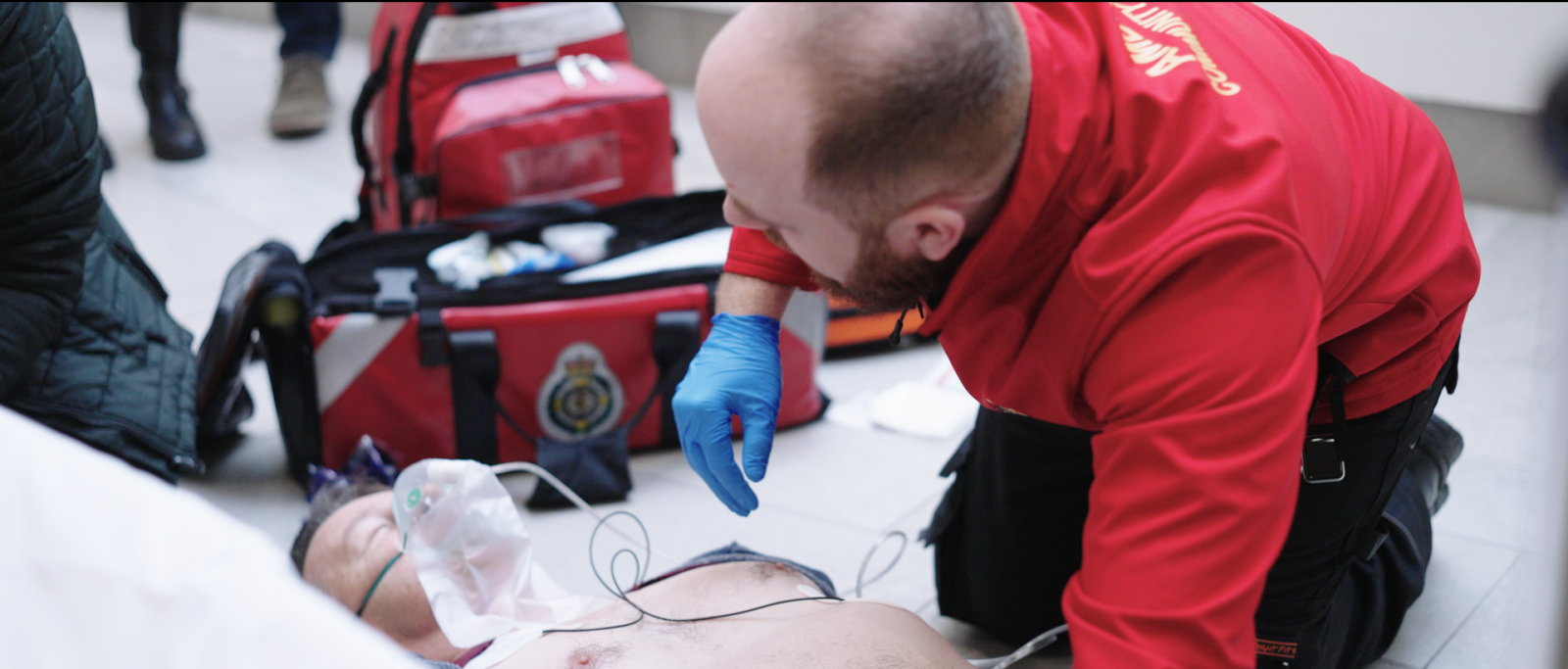
SECAmb’s work is focusing on strengthening the ‘Chain of Survival’ process including through early recognition of cardiac arrest, improved bystander CPR, increased access to defibrillators, growing the number of community first responders and volunteers as well as targeted action to address health inequalities.
Each area is being progressed through the Trust’s Cardiac Arrest Outcome Improvement Programme. The work has also included the introduction of community resuscitation officers (CROs) funded through the SECAmb Charity. The officers’ work will include liaising with local communities to improve CPR awareness and further drive-up survival rates.
Improvements have also seen an increase in the use of public access defibrillators (PADs) by members of the public prior to the arrival of ambulance clinicians. In the last reporting year (2025-26) PADs were used in 14.2 per cent of cardiac arrests – up from 10 per cent in the previous year.
Alongside work to increase the number of community first responders (CFRs), the programme will also develop a new community lifesaver role. The role will be positioned between a GoodSAM responder and a fully-trained CFR – the aim being to create a larger group of volunteers and increase the number of people available to provide care in the first minutes of a cardiac arrest.
SECAmb’s Chief Paramedic Officer, Dr Jaqui Lindridge said: “These latest figures reflect the dedication and expertise of our teams, volunteers and local communities.
“From the first person to witness and take action following a cardiac arrest, to the work of our call handlers, dispatchers, ambulance clinicians, volunteers and hospital teams – they demonstrate the difference early action can make.
“By continuing to strengthen every link in the Chain of Survival and encouraging more people to learn CPR, we can help even more patients survive cardiac arrest and return home to their families.”
- Restart a Heart Day takes place on Friday 16 October.
- The annual initiative, led by Resuscitation Council UK, aims to increase the number of people surviving out-of-hospital cardiac arrests by helping more people learn CPR.
- As part of the day and to highlight the fact that women are less likely to receive CPR during a cardiac arrest, SECAmb is holding its first ever CPRathon.
- The event which takes place between 10:00 to 22:00, at Asda Chatham Superstore, will bring together ambulance staff, emergency services and members of the local community to keep CPR going continuously throughout the day.
Find out more here: https://www.secamb.nhs.uk/women-less-likely-to-receive-lifesaving-cpr-as-secamb-launches-first-ever-cprathon/