Delivering the highest cardiac arrest survival rate in England again, SECAmb is setting the national standard in life-saving care while working towards its 2024-2029 Trust Strategy target.
That strategy includes a commitment to increase cardiac arrest survival rates by five per cent, a goal that underpins ongoing work across the organisation to improve outcomes for patients experiencing one of the most serious medical emergencies. Year to date, SECAmb’s cardiac arrest survival rate stands at 12.7 per cent, reflecting sustained progress alongside nationally leading performance.
At the Trust Board meeting on Thursday, 4 June, Chief Paramedic Officer, Jaqui Lindridge confirmed that SECAmb recorded the best 30-day survival rate for out-of-hospital cardiac arrest patients in December, continuing a consistent period of strong performance in one of the most critical measures of clinical outcomes. The Trust’s rate was more than one percentage point higher than the next best performing ambulance service, reinforcing its position at the forefront of cardiac arrest care.
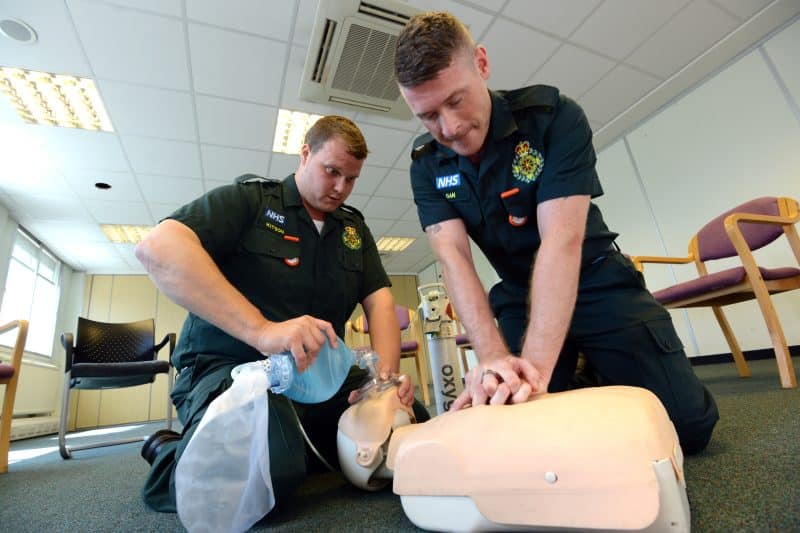
Cardiac arrest survival is widely regarded as one of the most meaningful indicators of emergency medical service performance because it reflects the full chain of survival rather than response time alone. This includes early recognition of cardiac arrest, bystander CPR, the actions of emergency call handlers, advanced care delivered by ambulance clinicians and onward treatment in hospital.
The result reflects sustained focus on clinical quality, innovation and teamwork across the organisation. Behind the figures is coordinated work between call handlers, community first responders, ambulance crews and hospital partners, all contributing to improving the chances of survival for patients.
At the Board meeting, Jaqui Lindridge praised the commitment and professionalism of colleagues across the service, noting that outcomes of this level are only possible through collective effort. Investment over several years in enhanced training, improved technology to support call triage and community engagement to increase awareness of CPR and defibrillator use has also played a key role.
Jaqui said: “Our continued strong performance in cardiac arrest survival reflects the dedication and professionalism of our call handlers and clinicians, volunteers, make ready and fleet support staff, to our hospital and community partners. Every improvement in these figures represents more lives saved and that is what drives our teams every day. While we are proud to be leading nationally, we remain focused on doing even more to give patients the best possible chance of survival.”
Despite leading nationally, the focus remains firmly on delivering the ambitions set out in the 2024-2029 Trust Strategy which can be found here, including further improvements in cardiac arrest survival rates. SECAmb leaders have emphasised the importance of building on current performance so that even more patients benefit from rapid, high-quality emergency care when they need it most.